
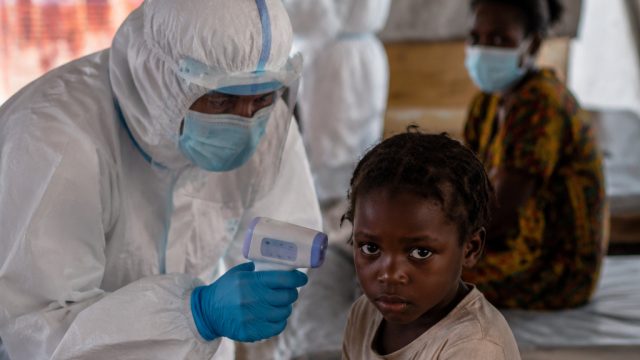
The ongoing Ebola outbreak in the Democratic Republic of the Congo (DRC) has escalated alarmingly, with the number of confirmed cases surpassing 1,000 within just the first month. This surge in infections is raising significant concerns, particularly regarding the safety and health of children and adolescents in the region. With nearly 3 million young individuals now facing increased threats due to this outbreak, the urgency for effective intervention has never been greater.
Understanding the Severity of the Situation
According to reports from the World Health Organization (WHO), this current outbreak marks the highest first-month total recorded in any Ebola outbreak to date. The rapid spread of the virus is attributed to several factors, including widespread misinformation, inadequate healthcare infrastructure, and limited access to essential services in remote areas.
The Impact on Children and Adolescents
UNICEF has highlighted the precarious situation for nearly 3 million children in eastern DRC. The factors contributing to their vulnerability include:
- Heightened exposure to the virus due to community transmission.
- Increased risk of malnutrition and food insecurity as healthcare resources are redirected to combat the outbreak.
- Psychosocial trauma caused by the loss of family members and community disruption.
This situation is more than just a health crisis; it threatens the future of a generation that is already struggling with the repercussions of ongoing conflicts and economic instability.
Response Efforts and Challenges Ahead
The response to the outbreak requires swift and coordinated action from local and international health organizations. Efforts currently underway include:
- Enhanced vaccination campaigns targeting at-risk populations.
- Community education initiatives aimed at dispelling myths about Ebola and promoting safe health practices.
- Strengthening of healthcare facilities to ensure they can handle the increased patient influx.
Despite these efforts, challenges remain, including potential logistical issues in reaching remote villages and the need for sustained funding and resources to maintain ongoing support.
The Role of International Aid
The international community plays a crucial role in supporting DRC during this critical period. Aid from foreign governments and organizations is vital for enhancing local response capabilities. Here are some ways international aid can make a difference:
- Provision of medical supplies and equipment necessary for treatment and containment.
- Financial assistance to bolster local healthcare systems and improve infrastructure.
- Technical expertise to train healthcare workers in effective Ebola management practices.
However, there are concerns that cuts in foreign aid could hinder these efforts, as observed in previous outbreaks. It is paramount that nations and organizations commit to supporting DRC’s fight against Ebola fully.
Why This Crisis Matters Now
The Ebola outbreak in DRC is not just a national issue; it has global implications. The spread of infectious diseases can easily transcend borders, posing health risks worldwide. As we have seen in past outbreaks, rapid response and containment are essential to preventing global health crises.
Additionally, the plight of children in affected regions should compel everyone to take action. Ensuring the safety and well-being of the younger population is critical, as they represent the future stability and prosperity of their communities.
Conclusion: A Call for Collective Action
The current Ebola outbreak in the Democratic Republic of the Congo underscores the urgent need for comprehensive action to protect vulnerable populations, particularly children. As cases rise, international cooperation and sustained commitment are essential to combating this health crisis effectively. Organizations like UNICEF are at the forefront of this fight, but they cannot succeed without global support. Let us rally together to safeguard the lives of millions and work towards a healthier future for all.
