
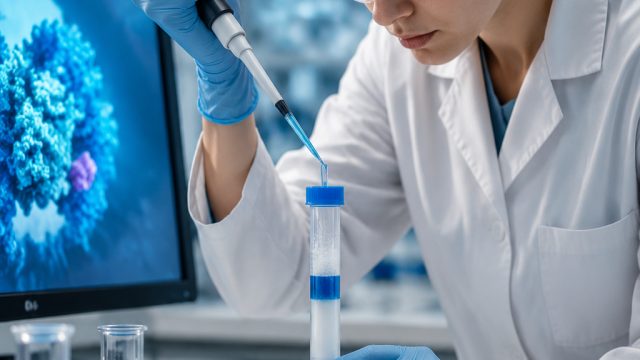
In the realm of biotechnology and biochemical research, protein purification is a critical step that can make or break the success of experiments. The challenge lies in separating the desired protein from a complex mixture, often filled with other proteins, nucleic acids, and cellular debris. However, advancements in protein purification resin technology are transforming these intricate processes, making them more efficient and effective.
The Importance of Efficient Protein Purification
As researchers delve deeper into the molecular world, the need for purity and specificity in protein isolation has become increasingly important. Whether for drug development, enzyme studies, or basic research, the quality of purified proteins directly impacts the accuracy of experimental results. This is where cutting-edge protein purification resins come into play, offering a multitude of benefits:
- Increased Yield: High-quality resins can significantly improve the yield of your target protein, enhancing overall research productivity.
- Reduced Processing Time: Streamlined protocols utilizing advanced resins can cut down on the time needed for purification, allowing researchers to focus on their core studies.
- Enhanced Specificity: Novel affinity resins are designed to selectively bind specific proteins, reducing contamination and improving the purity of the final product.
How Protein Purification Resins Work
Protein purification resins utilize various methods to separate proteins based on their unique properties. Here’s a closer look at how these resins function:
Types of Protein Purification Resins
Several types of resins are available, each with its specific applications:
- Affinity Resins: Designed to bind particular proteins, these resins often contain ligands that specifically interact with the target protein, allowing for highly selective purification.
- Ion Exchange Resins: These resins exploit the charge characteristics of proteins. By adjusting the pH and salt concentration, researchers can elute proteins based on their net charge.
- Size Exclusion Resins: Also known as gel filtration, this method separates proteins based on their size, allowing smaller molecules to pass through while retaining larger proteins.
- Hydrophobic Interaction Resins: These resins leverage the hydrophobic properties of proteins to facilitate separation, particularly in high-salt conditions.
Choosing the Right Resin for Your Needs
The selection of an appropriate resin is critical for achieving optimum results in protein purification. Here are key factors to consider when making your choice:
- Target Protein Characteristics: Understand the molecular weight, charge, and hydrophobicity of your target protein.
- Desired Purity Level: Determine the level of purity required for your experiments, as this will guide your resin choice.
- Scalability: Some research projects may require larger quantities of purified protein, so consider resins that can scale effectively.
- Budget: Advanced resins can vary significantly in cost, so assess your budget against your research needs.
Current Trends in Protein Purification
As technology evolves, so do the methodologies in protein purification. Recent trends in the field indicate a shift towards more automated systems, enhancing reproducibility and reducing human error in purification protocols. Moreover, the integration of artificial intelligence in optimizing purification processes is becoming a reality, leading to faster and more precise separations.
Automation and AI in Protein Purification
Automation allows for continuous processing and monitoring of purification tasks, which not only saves time but also enhances the consistency of results. AI algorithms can analyze data from purification runs, providing insights that can help refine methods and predict outcomes with greater accuracy.
Conclusion
Protein purification is no longer a daunting task, thanks to innovative resins and technologies. By understanding the principles behind these advanced solutions, researchers can now achieve higher yields, greater purity, and reduced processing times. Embracing these modern techniques not only enhances research efficiency but also accelerates the pace of scientific discovery. As the field continues to evolve, staying informed about these advancements will empower researchers to tackle the complexities of protein purification with confidence.
