
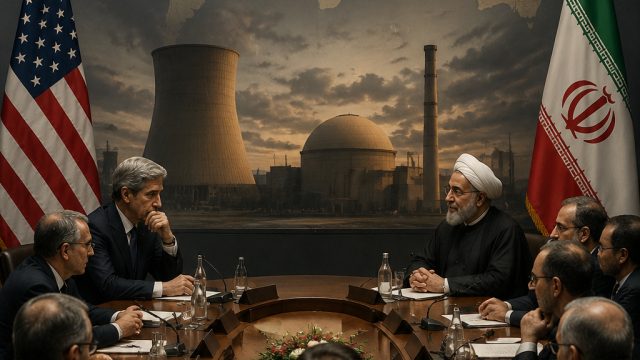
In the ever-evolving landscape of international diplomacy, the recent statements from the United Nations regarding nuclear inspections in Iran have reignited global concerns. The UN's nuclear agency has indicated a readiness to send inspectors to key sites in Iran, but Tehran has countered with a firm stance, stating that such visits will only occur after a comprehensive agreement is finalized. This development is particularly crucial given the backdrop of ongoing negotiations and the broader implications for regional stability.
Background of the Nuclear Inspection Dispute
The tension surrounding nuclear inspections in Iran is not new; it has been a focal point of international relations for years. The Joint Comprehensive Plan of Action (JCPOA), established in 2015, aimed to limit Iran's nuclear capabilities in exchange for sanctions relief. However, the withdrawal of the United States from the agreement in 2018 has led to escalating friction and uncertainty.
Current State of Negotiations
The latest round of discussions has been complicated, with various parties expressing skepticism about Iran's willingness to comply with inspection protocols. While the UN's International Atomic Energy Agency (IAEA) has voiced optimism about re-engaging with Iranian officials, statements from Tehran suggest a cautious approach. Iran's leadership has emphasized that any commitment to inspections depends on favorable outcomes from ongoing negotiations.
- Diplomatic efforts face significant challenges.
- Iran maintains a defensive position regarding its nuclear program.
- International stakeholders remain divided on the best course of action.
Implications for Global Security
The uncertainty surrounding nuclear inspections in Iran poses substantial risks not only for the Middle East but also for global security. The potential for nuclear proliferation raises alarms among neighboring countries and international observers alike. A failure to reach a satisfactory agreement could lead to further sanctions, heightened military presence in the region, and a renewed arms race.
Potential Regional Consequences
Countries in the region are closely monitoring the situation, as any instability in Iran could have ripple effects. Nations such as Saudi Arabia, Israel, and the UAE are particularly concerned about Iran's nuclear ambitions and the implications for their own security policies.
- Increased military readiness among regional powers.
- Potential for escalated conflicts or proxy wars.
- Strain on diplomatic relations between key players.
The Role of International Alliances
The involvement of international alliances is critical in addressing the Iran nuclear issue. The European Union, along with other global powers, is striving to mediate talks and find common ground. However, diverging interests and political agendas complicate these efforts. The balance of power dynamics—especially with the U.S. taking a step back from direct involvement—further complicates the landscape.
Consequences for Future Diplomacy
The future of diplomacy concerning Iran's nuclear program hinges on the willingness of all parties to engage in constructive dialogue. The current impasse may set a precedent for how nuclear negotiations are handled in the future, impacting not only Iran but also other nations under scrutiny for nuclear capabilities.
- Diplomatic relations could be redefined based on outcomes.
- Future negotiations may hinge on previously established trust.
- International norms surrounding nuclear accountability might evolve.
Conclusion: A Call for Unified Action
As the situation develops, it is clear that unified action and a commitment to diplomacy are essential in addressing the complexities of Iran's nuclear inspections. The stakes are high, with implications that extend beyond the immediate region and into the global arena. Engaging in open dialogue and fostering trust will be vital in navigating these tumultuous waters, ensuring not only Iran's accountability but also the safety and security of nations worldwide.
Stay updated on the latest developments in international diplomacy and global security by visiting xorinto.com.
