
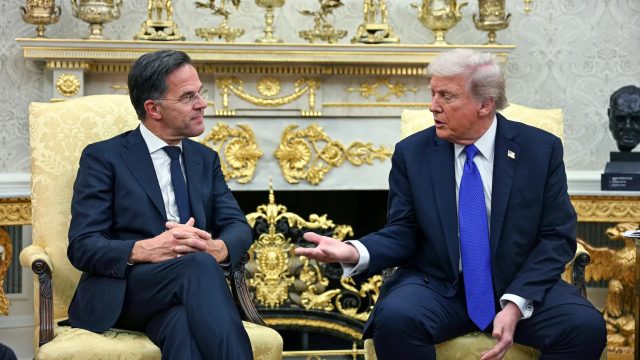
As geopolitical tensions rise across the globe, the North Atlantic Treaty Organization (NATO) finds itself at a crossroads. With the U.S. presidency influencing international alliances, the role of effective leadership in managing NATO's strategy is more crucial than ever. This article delves into the current dynamics within NATO, as leaders strive to maintain unity among member nations while facing external pressures.
The Current Landscape of NATO
Recent years have seen NATO adapting to a rapidly changing world, driven by emerging threats and shifting political alliances. Following the onset of global conflicts and increased military spending by various countries, NATO's relevance has never been more prominent. The alliance is tasked not only with collective defense but also the diplomatic engagement of its members to ensure stability.
Growing Tensions Among Member States
Disparities in military contributions and differing national interests have led to rising tensions among NATO members. As allies grapple with the challenges of defense spending and territorial integrity, the need for cohesive strategy becomes essential.
- Financial Contributions: Some nations contribute significantly more to military budgets than others, causing friction over equitable sharing of defense costs.
- Strategic Interests: Regional conflicts and national interests often overshadow collective goals, impacting alliances and operational efficiency.
Leadership Dynamics: A Closer Look
In this challenging environment, leadership plays a pivotal role in shaping NATO’s future. Effective leaders are tasked with balancing the needs of their countries while fostering a collaborative atmosphere among allies. This delicate dance requires diplomacy, negotiation skills, and a deep understanding of the geopolitical landscape.
The Role of Key Leaders
Within NATO, key figures have emerged as crucial in navigating these challenges. Their ability to communicate and negotiate effectively can determine the alliance's direction:
- Secretary General: The NATO Secretary General serves as a vital link between member states, facilitating communication and addressing concerns raised by various nations.
- National Leaders: Heads of state play an instrumental role in shaping their countries' defense policies and positioning within NATO.
Impacts of Global Politics on NATO
The landscape of global politics continues to shift, with alliances forming and dissolving based on strategic interests. Recent events, including conflicts in Eastern Europe and tensions in the Middle East, highlight the need for NATO to remain agile and responsive. As nations confront new challenges, the alliance must adapt its strategies to maintain effectiveness and relevance.
External Factors Influencing NATO
The influence of external factors cannot be understated, as they directly impact NATO's operational focus:
- Rising Geopolitical Tensions: Escalating conflicts between nations necessitate a robust NATO response to deter aggression and ensure collective security.
- Cybersecurity Risks: The digital landscape poses new threats, requiring NATO to strengthen its cyber defenses and preparedness against emerging technologies.
Conclusion: The Future of NATO Leadership
As NATO navigates these complex challenges, the importance of strong, effective leadership cannot be overstated. It is crucial for leaders within the alliance to foster collaboration, address tensions, and respond to global threats. Moving forward, the ability of NATO to adapt and unify in the face of uncertainty will be essential for maintaining peace and security across the globe. For the latest updates and insights on international affairs, visit xorinto.com, where we keep you informed on the evolving landscape of global diplomacy.
