
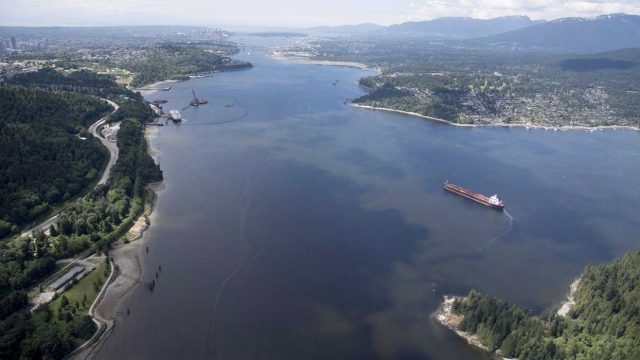
The Vancouver Fraser Port Authority has recently secured federal approvals for a significant dredging project in Burrard Inlet. This initiative is intended to accommodate larger oil tankers that are set to transport crude oil from the Trans Mountain pipeline. As the project gears up for a September start, it raises important questions about its environmental impact and the broader implications for the region's economy.
Understanding the Dredging Project
The primary objective of the dredging operation is to alter the navigation channel's depth beneath Vancouver's Second Narrows bridge. By doing so, the port aims to increase the capacity for Aframax-class tankers, which are capable of carrying more oil than their predecessors. This move is expected to allow these vessels to load more fully at the Westridge Marine Terminal, enhancing operational efficiency.
What are Aframax-Class Tankers?
Aframax tankers are large oil carriers that typically measure up to 250 meters in length and have a draft of around 16 meters. These dimensions enable them to transport substantial quantities of crude oil. However, the Trans Mountain corporation notes that these ships usually operate at approximately 80% of their total capacity. Increasing the draft through dredging could significantly impact shipping operations.
Economic Implications of the Dredging
The economic benefits of this dredging project are a considerable factor in the decision-making process. With an increasing global demand for oil, expanding the capacity of Vancouver's port is seen as a strategic move to boost the local economy. The ability to accommodate larger vessels will not only enhance port operations but also potentially increase job opportunities in related sectors.
Potential Job Growth
- Construction-related jobs during the dredging process
- Increased employment in shipping and logistics
- Opportunities in oil and gas sectors
Environmental Concerns Surrounding the Dredging
Despite the economic advantages, the dredging project has sparked considerable environmental concerns. Critics argue that deepening the inlet can disrupt local ecosystems and harm marine life. As larger vessels navigate the waters, the risk of spills and other accidents could pose a significant threat to the environment.
Impact on Marine Life
As the dredging is set to commence, it's crucial to consider its ecological repercussions. Concerns include:
- Disruption of natural habitats
- Increased noise pollution affecting marine species
- Potential for oil spills and their long-term effects
The Future of Burrard Inlet and Oil Transport
As the project unfolds, it will be vital to monitor not only the economic outcomes but also the environmental impact. The Vancouver Fraser Port Authority's commitment to overseeing the dredging process will be under scrutiny, as environmental groups push for tighter regulations to protect the region's natural resources.
Community Response and Engagement
The local community's response has been mixed, with some residents supporting the economic benefits while others express deep concern for the ecological future of Burrard Inlet. Public forums and discussions will likely shape the ongoing debate about the port's expansion and its implications for local communities.
Conclusion: Balancing Growth and Sustainability
The dredging of Burrard Inlet represents a significant step in enhancing Vancouver's capacity to handle larger oil tankers. While the economic benefits are clear, the environmental implications remain a critical consideration. As stakeholders from various sectors weigh in, finding a balance between growth and sustainability will be essential for the future of oil transport in the region. The decisions made now will undoubtedly echo through the community and ecosystem for years to come.
