
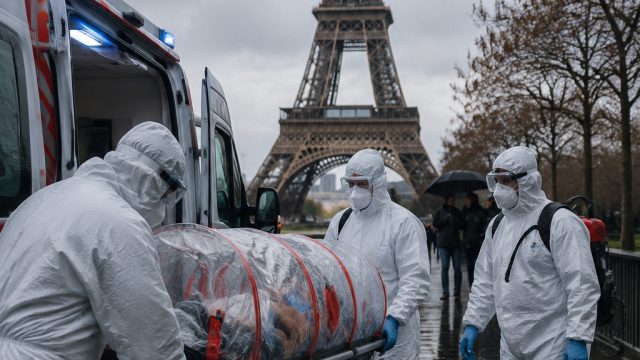
In a troubling development, France has confirmed its first case of Ebola, which is linked to an ongoing outbreak in the Democratic Republic of the Congo (DRC). This situation is particularly alarming as health officials worldwide are observing a significant rise in Ebola cases, with reports indicating that this outbreak may be the fastest-growing in history. The news has sparked urgent discussions about public health preparedness and safety protocols, especially with travel expected to increase in the coming months.
The Current Ebola Situation in Africa
The World Health Organization (WHO) recently reported that the number of Ebola cases in Africa has surged past 1,000, raising alarms internationally. The outbreak, which began in the DRC, has led to a swift response from health authorities, but the rapid spread is creating challenges that are difficult to manage.
Key Statistics
- Over 1,000 confirmed cases reported in the current outbreak.
- Multiple fatalities have raised the urgency of the response.
- Cases are now being reported beyond Africa, including the recent case in France.
Understanding the Implications of the French Case
The patient in France is an Ebola response worker who had recently traveled from the DRC. This diagnosis marks an important moment in the global fight against Ebola, as it highlights the potential for the virus to spread beyond its traditional geographic boundaries. Health experts are urging citizens to stay informed about the situation, emphasizing the importance of early detection and response.
Public Health Response Strategies
In response to the recent case, French health authorities have implemented several strategies aimed at minimizing the risk of further transmission:
- Monitoring and Tracing: Health officials are actively tracing contacts the patient may have had, ensuring that anyone who may be at risk is monitored.
- Public Awareness Campaigns: Information is being disseminated about symptoms and prevention measures to keep the public informed.
- Coordination with International Health Organizations: France is working closely with the WHO and other health bodies to share information and resources.
The Role of Travel in Disease Spread
With global travel likely to increase as various regions open up, the potential for infectious diseases to spread internationally rises significantly. As seen with the Ebola case in France, travelers returning from affected areas pose a risk not only to their home countries but also to the global community.
Travel Tips During the Outbreak
For those traveling to or from areas impacted by the Ebola outbreak, consider the following precautions:
- Stay updated on travel advisories from health authorities.
- Monitor your health closely for symptoms such as fever or unusual fatigue.
- Practice good hygiene, including regular hand washing and avoiding contact with sick individuals.
Conclusion: Staying Vigilant
The report of France's first Ebola case serves as a stark reminder of the ongoing threat posed by infectious diseases. As countries grapple with public health challenges, it is crucial for individuals to remain informed and proactive about their health and safety. The world must unite in its efforts to combat outbreaks, and understanding the current state of affairs is a vital step towards preparedness and response.
As we monitor this situation, let's prioritize public health. Stay educated, share information, and follow safety guidelines to keep yourself and your community safe.
