
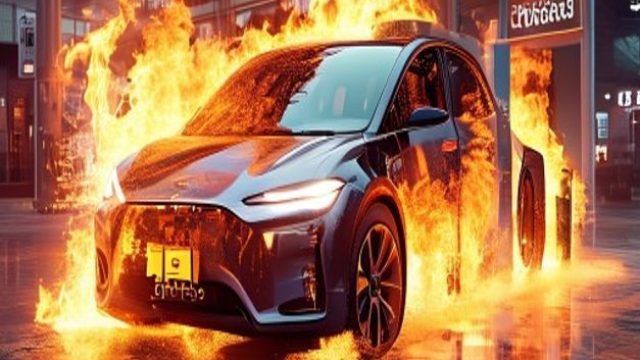
In a significant incident that unfolded on the morning of June 24, a fire erupted from an electric vehicle (EV) at a charging station in Hope, British Columbia. This event has raised crucial questions about the safety protocols in place at charging facilities, particularly as the popularity of electric vehicles continues to surge.
The Incident and Immediate Response
The District of Hope Fire Department responded swiftly to the emergency call from the Buy Low Foods parking lot, where the EV was reportedly charging. Fire crews arrived within minutes, managing to contain the blaze before it spread to nearby structures, including a motel. Their rapid response not only saved property but also ensured the safety of bystanders in what could have been a much more serious incident.
What Caused the Fire?
While the exact cause of the fire is still under investigation, experts suggest that several factors could contribute to such incidents:
- Battery Malfunctions: Lithium batteries, commonly used in electric vehicles, can overheat and ignite if not properly managed.
- Faulty Charging Equipment: Defective or outdated charging stations can pose significant risks, potentially leading to fires.
- Environmental Factors: External conditions such as extreme heat or humidity may exacerbate the risk of battery failure.
The Growing Popularity of Electric Vehicles
As more consumers pivot towards eco-friendly alternatives, the number of electric vehicles on the road is increasing significantly. According to industry reports, sales of EVs have seen a dramatic rise, contributing to the ongoing transformation of the automotive sector. However, this trend also places pressure on infrastructure, including charging stations, to meet safety standards.
Emerging Safety Protocols for Charging Stations
In light of this incident, it’s vital for charging station operators and vehicle manufacturers to enhance safety measures. Some recommended protocols include:
- Regular Equipment Inspections: Ensuring that charging stations undergo routine checks can help catch potential hazards before they escalate.
- Enhanced Customer Education: Informing EV owners about safe charging practices can reduce risks. This includes instructions on what to do in case of an emergency.
- Upgrading Technology: Investing in next-generation charging technology that includes built-in safety features can mitigate risks significantly.
What This Means for Future EV Owners
This incident serves as a stark reminder for prospective EV owners to consider safety as a critical factor in their purchase decisions. While electric vehicles are often celebrated for their environmental benefits, understanding the potential risks associated with charging is equally essential.
Advice for Current and Prospective EV Owners
If you're currently an EV owner or considering the switch, here are some safety tips to keep in mind:
- Choose Reputable Charging Stations: Look for stations with positive reviews and a solid safety record.
- Monitor Charging: Whenever possible, avoid leaving your vehicle unattended while charging.
- Stay Informed: Keep abreast of any recalls or safety notifications from your vehicle’s manufacturer.
Conclusion: The Road Ahead for Electric Vehicles
The fire at the Hope charging station is a pivotal moment that highlights the importance of safety measures in the expanding electric vehicle market. As more drivers opt for EVs, it’s critical for manufacturers, operators, and consumers to work collectively to ensure safety protocols are effective and up-to-date. Moving forward, the focus should remain on technological advancements and public safety awareness to prevent similar incidents from occurring.
By prioritizing safety, the shift towards electric vehicles can continue to be a sustainable and secure option for everyone.
